Blogs

21-May-2024

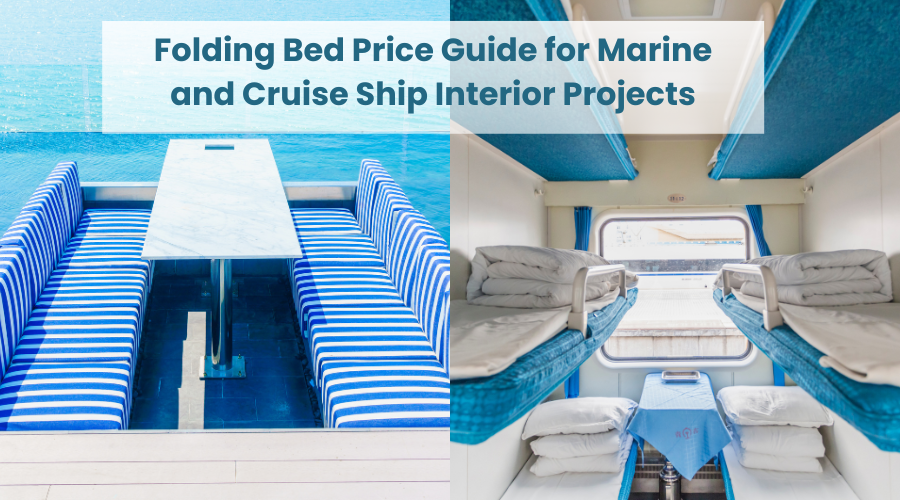
In today's fast-paced world, versatility and efficiency in home furnishings are more important than ever. Enter the folding bed—a solution that combines convenience, comfort, and space-saving ingenuity. Whether you live in a compact apartment, frequently host guests, or simply value multifunctional furniture, folding beds are an excellent addition to any home. This comprehensive guide will explore the many benefits of folding beds, the various types available, and tips for choosing the best one for your needs. What is a Folding Bed? A folding bed, often referred to as a Murphy bed or rollaway bed, is a type of bed that can be folded up and stored away when not in use. This clever design allows you to maximize floor space and utilize a single room for multiple purposes. Folding beds come in various forms, from simple cots to sophisticated wall beds, each catering to different needs and preferences. History of Folding Beds Folding beds have a rich history dating back to the 19th century when inventor William Lawrence Murphy created the Murphy bed. Seeking to make his small apartment more functional, Murphy designed a bed that could be stowed vertically inside a closet. Over the years, the concept evolved, leading to various designs offering practicality and style. Benefits of Folding Beds 1.    Space-Saving Solution One of the most significant advantages of folding beds is their ability to save space. In small apartments or homes, every square foot counts. A folding bed can transform a bedroom into a home office, workout space, or living room during the day, making it an ideal solution for those with limited space. 2.    Versatility Folding beds are incredibly versatile. They can be used in guest, children's, or living rooms. Some models double as sofas or desks, providing multiple functionalities in one piece of furniture. This adaptability makes folding beds an intelligent investment for any household. 3.    Comfort Modern folding beds are designed with comfort in mind. High-quality mattresses and sturdy frames ensure that these beds provide a good night's sleep, rivaling traditional beds. Whether you choose a memory foam or a spring mattress, you can find a folding bed that offers the comfort you need. 4.    Convenience Folding beds are also known for their convenience. They are easy to set up and fold away, often requiring minimal effort. This makes them an excellent option for impromptu guests or temporary sleeping arrangements. Additionally, many folding beds come with wheels, making them easy to move and store. 5.    Cost-Effective Investing in a folding bed can be more cost-effective than purchasing multiple pieces of furniture. Since they serve various functions, you save money by not needing to buy separate beds, sofas, or desks. This makes them an economical choice for budget-conscious consumers. Types of Folding Beds 1.    Murphy Beds Murphy beds are the most well-known type of folding bed. These beds fold vertically into a wall or cabinet, making them virtually invisible when not in use. Murphy beds are ideal for a permanent and stylish space-saving solution. 2.    Rollaway Beds Rollaway beds, also known as folding cots, are portable beds that can be folded up and rolled away for storage. These beds are perfect for temporary use and are often used in guest rooms or camping. 3.    Sofa Beds Sofa beds or futons are multifunctional furniture pieces that serve as both a sofa and a bed. These beds are great for living rooms or home offices, providing a comfortable seating area during the day and a sleeping area at night. 4.    Tri-Fold Beds Tri-fold beds are lightweight, portable beds that can be folded into thirds. They are easy to store and transport, making them a popular choice for small apartments, dorm rooms, and travel. 5.    Loft Beds Loft beds elevate the bed frame, creating space underneath for a desk, sofa, or storage. These beds are ideal for children's rooms or studio apartments where maximizing vertical space is crucial. How to Choose the Right Folding Bed 1.    Assess Your Space Before purchasing a folding bed, assess the available space in your home. Measure where you plan to place the bed and ensure there is enough room for it to unfold completely. 2.    Determine Your Needs Consider how you plan to use the folding bed. Is it for everyday use or occasional guests? Do you need it to serve multiple functions? Understanding your needs will help you choose the right type of folding bed. 3.    Consider Comfort Comfort is paramount when selecting a folding bed. Look for beds with high-quality mattresses and sturdy frames. Test the bed in-store to ensure it meets your comfort standards. 4.    Check for Ease of Use Folding beds should be easy to set up and store. Look for models with simple mechanisms and consider whether you need wheels for added mobility. 5.    Budget Determine your budget before shopping for a folding bed. While these beds can be more cost-effective than traditional furniture, prices vary widely based on the type and features. Set a budget to narrow down your options. Maintenance Tips for Folding Beds 1.    Regular Cleaning Keep your folding bed clean by regularly vacuuming the mattress and wiping down the frame. This will help maintain hygiene and prolong the life of your bed. 2.    Inspect for Wear and Tear Periodically check your folding bed for signs of wear and tear. Ensure that hinges and mechanisms are functioning correctly, and tighten any loose screws. 3.    Proper Storage Store your folding bed in a dry, cool place when not in use. This will prevent moisture damage and extend the life of the mattress and frame. 4.    Mattress Care Rotate the mattress periodically to ensure even wear. If the mattress cover is removable, wash it according to the manufacturer's instructions. Innovative Folding Bed Designs 1.    Smart Beds Smart folding beds incorporate technology for added convenience. Features such as remote control operation, built-in USB ports, and adjustable settings make these beds a high-tech addition to any home. 2.    Customizable Beds Customizable folding beds allow you to choose the mattress type, frame material, and additional features to suit your preferences. This ensures that you get a bed tailored to your specific needs. 3.    Eco-Friendly Options Eco-friendly folding beds are made from sustainable materials and designed with minimal environmental impact. These beds are an excellent choice for environmentally conscious consumers. Where to Buy Folding Beds 1.    Online Retailers Online retailers like Amazon, Wayfair, and Overstock offer a wide selection of folding beds. Shopping online allows you to compare prices, read reviews, and find the best deals from the comfort of your home. 2.    Furniture Stores Local furniture stores often carry folding beds. Visiting a store lets you see the bed in person, test its comfort, and get advice from sales associates. 3.    Specialty Stores Specialty stores focusing on space-saving furniture may offer a unique selection of folding beds. These stores often provide innovative designs that are not found in mainstream retailers. Conclusion Folding beds are an ingenious solution for maximizing space, offering versatility, comfort, and convenience. Whether you're looking to make the most of a small apartment, provide a comfortable sleeping arrangement for guests, or simply enjoy multifunctional furniture, a folding bed is an excellent choice. By understanding the different types, assessing your needs, and choosing a quality product, you can enjoy the numerous benefits of this versatile piece of furniture. Embrace the flexibility and functionality of folding beds and transform your living space today.

14-May-2024

In marine engineering, every component is vital in ensuring a vessel's safety, functionality, and efficiency. Among these components, marine doors stand out as crucial elements that provide access points and contribute significantly to the structural integrity and safety of the ship. This comprehensive guide will delve into all aspects of marine doors, from their types and functions to their importance and maintenance requirements. Understanding Marine Doors: Types and Functions Marine doors come in various types, each designed to serve specific functions based on location and purpose onboard. Watertight doors are perhaps the most critical type, designed to prevent water from entering various ship compartments, especially in emergencies such as flooding or rough sea conditions. Weathertight doors protect harsh weather elements like rain, wind, and seawater spray, ensuring the comfort and safety of crew members and cargo alike. In addition to these primary functions, marine doors may serve other purposes, such as fire protection, security, and noise insulation. Fire-rated doors, for instance, are designed to contain fires and prevent their spread throughout the vessel, while security doors enhance onboard security by restricting unauthorized access to sensitive areas. Importance of Marine Doors in Vessel Safety The significance of marine doors in ensuring vessel safety cannot be overstated. Properly functioning watertight doors can mean the difference between containing the damage and facing catastrophic consequences in a breach or emergency. These doors are strategically positioned to classify the ship, limiting water spread in case of flooding and preserving the vessel's buoyancy and stability. Moreover, weathertight doors play a crucial role in maintaining the structural integrity of the vessel by preventing water ingress, which can lead to corrosion, structural damage, and compromised safety. By keeping the elements at bay, these doors safeguard both the crew and the cargo, ensuring smooth operations even in adverse weather conditions. Maintenance and Inspection: Ensuring Door Reliability Marine doors require regular maintenance and inspection to uphold their effectiveness and reliability. Routine checks should encompass various aspects, including seals, hinges, locking mechanisms, and structural integrity. Any signs of wear, damage, or malfunction should be promptly addressed to prevent potential hazards and ensure compliance with safety regulations. Proper lubrication of hinges and moving parts is essential to prevent friction and ensure smooth operation. Inspections should verify the integrity of seals and gaskets to maintain watertight and weathertight capabilities. Additionally, periodic testing of door mechanisms, such as pressure testing for watertight doors, helps identify deficiencies and ensures emergency readiness. Emerging Trends and Innovations in Marine Door Technology As maritime industries evolve, so does the technology surrounding marine doors. One emerging trend is integrating smart features and automation, allowing for remote monitoring, control, and diagnostics of door systems. These advancements enhance operational efficiency and improve safety by providing real-time insights into door status and performance. Another area of innovation is the development of lightweight yet durable materials for door construction, offering a balance between strength and weight savings. Composite materials and advanced alloys are increasingly being utilized to create robust and corrosion-resistant doors, addressing the challenges posed by harsh marine environments. Furthermore, design optimization is a key focus, with manufacturers continuously refining door designs to maximize efficiency, functionality, and space utilization. Compact, space-saving door solutions are particularly beneficial for vessels where every square inch counts, enabling efficient use of onboard space without compromising performance or safety. Regulatory Standards and Compliance Adherence to regulatory standards and classification requirements is paramount in the maritime industry to ensure the safety and seaworthiness of vessels. Marine doors are subject to rigorous certification and testing procedures to verify their compliance with international standards such as those set forth by the International Maritime Organization (IMO), classification societies, and national regulatory bodies. Classification societies such as Lloyd's Register, DNV GL, and ABS play a crucial role in setting and enforcing standards for marine equipment, including doors. Manufacturers must meet stringent criteria and undergo thorough testing to obtain product certification, demonstrating compliance with applicable regulations and industry best practices. Shipowners and operators, in turn, are responsible for ensuring that installed marine doors meet regulatory requirements and undergo periodic inspections and maintenance as mandated by classification societies and regulatory authorities. By upholding these standards, they mitigate risks and maintain their commitment to safety and environmental stewardship. Conclusion In conclusion, marine doors are indispensable components of maritime vessels, serving critical functions in ensuring safety, security, and operational efficiency. From watertight and weathertight doors to fire-rated and security doors, these versatile elements play a vital role in protecting crew, cargo, and the environment. As technology advances and regulatory standards evolve, the marine industry must remain vigilant in embracing innovation, upholding safety protocols, and ensuring compliance with regulatory requirements. By staying abreast of emerging trends, investing in advanced technologies, and prioritizing maintenance and inspection practices, shipowners and operators can confidently navigate the future, knowing that their marine doors are reliable guardians of vessel integrity and safety.

30-Apr-2024

Honeycomb panels have emerged as a revolutionary building material, offering unparalleled versatility and a wide range of applications across various industries. Let's explore the world of honeycomb panels to understand their composition, construction, and the myriad ways they are utilized. Understanding Honeycomb Panels Honeycomb panels are engineered structures characterized by a core composed of hexagonal or square cells, reminiscent of a beehive, sandwiched between two thin layers, typically made of metals like aluminum, plastics, or composite materials. 1.   Composition and Construction The core of honeycomb panels is crafted from lightweight yet robust materials such as aluminum, fiberglass, or Nomex aramid fiber. This core is meticulously constructed to ensure uniform cell size and distribution, optimizing strength and stability while minimizing weight. 2.   Strength and Rigidity Despite their lightweight nature, honeycomb panels boast impressive strength and rigidity. The hexagonal or square cell structure efficiently distributes stress across the panel, enhancing its load-bearing capacity and resistance to bending, torsion, and compression. Applications of Honeycomb Panels Honeycomb panels are used extensively across diverse industries thanks to their exceptional properties and adaptability to various applications. 1.   Aerospace Industry In aerospace engineering, where every ounce matters, honeycomb panels are indispensable. These panels are utilized in aircraft interiors, flooring, and structural components to achieve significant weight savings without compromising safety or performance. Their lightweight construction contributes to fuel efficiency and enhances aircraft maneuverability. 2.   Construction and Architecture Architects and designers favor honeycomb panels for their aesthetic appeal, durability, and thermal insulation properties. These panels are employed in façade cladding, interior partitions, furniture, and decorative elements, offering endless design possibilities while ensuring structural integrity and energy efficiency. 3.   Transportation Honeycomb panels play a crucial role in vehicle manufacturing in the automotive and marine industries. They are used in car interiors, boat hulls, and cargo containers, where their lightweight construction helps improve fuel efficiency and increase payload capacity. Additionally, their high strength-to-weight ratio enhances vehicle performance and durability. 4.   Industrial Applications Honeycomb panels find applications in various industrial settings, including manufacturing equipment, machinery enclosures, and acoustic panels. Their exceptional vibration-damping properties and sound insulation capabilities make them ideal for reducing noise pollution in factories and industrial facilities, creating safer and more comfortable working environments. Advantages of Honeycomb Panels 1.   Lightweight Construction One of the most significant advantages of honeycomb panels is their lightweight construction. Compared to solid materials, honeycomb panels offer substantial weight savings, making them ideal for applications where weight reduction is critical, such as aerospace and transportation. 2.   High Strength-to-Weight Ratio Despite being lightweight, honeycomb panels exhibit exceptional strength and rigidity. Their high strength-to-weight ratio ensures structural integrity while minimizing overall weight, allowing for efficient load-bearing capabilities without sacrificing performance or safety. 3.   Thermal Insulation Honeycomb panels provide effective thermal insulation, helping maintain comfortable indoor temperatures and reducing energy consumption. This makes them a sustainable choice for building envelopes and HVAC systems, contributing to energy efficiency and environmental conservation. 4.   Customization Options Honeycomb panels offer extensive customization options to suit specific project requirements. They are available in a wide range of materials, sizes, and configurations. Designers can choose the core material, surface finish, and other parameters, allowing for tailored solutions that meet the unique needs of each application. Conclusion Honeycomb panels represent a cutting-edge solution with limitless potential across various industries. Their lightweight construction, exceptional strength, and versatility make them indispensable in the aerospace, construction, transportation, and industrial sectors. As technology advances and innovations emerge, the utilization of honeycomb panels is expected to grow, driving further advancements in engineering, design, and sustainability.

30-Apr-2024

In office organization, few pieces of furniture hold as much significance as the steel filing cabinet. These stalwart fixtures have long been the unsung heroes of workplaces, silently storing and safeguarding vital documents and resources. But what exactly is the purpose of a steel filing cabinet? Let's delve into this essential question. 1. Organization and Efficiency Steel filing cabinets are essential for maintaining order and efficiency in any office setting. With their multiple compartments and drawers, these cabinets offer a systematic approach to document storage. Each section can be designated for specific documents, such as invoices, contracts, or personnel records, making it easy for employees to locate the needed information without wasting time searching cluttered desks or shelves. By promoting a structured filing system, steel filing cabinets streamline workflows and enhance overall productivity within the workplace. 2. Security and Protection One of the most critical functions of steel filing cabinets is to provide a secure environment for confidential documents. Constructed from sturdy materials like steel, these cabinets offer protection against various threats, including fire, water damage, and theft. Many models have locking mechanisms to prevent unauthorized access, ensuring that sensitive information remains confidential. This level of security is particularly crucial for industries handling sensitive data, such as healthcare, legal, and finance, where compliance with privacy regulations is paramount. 3. Space Optimization Optimizing available space is essential for maintaining a functional and organized environment in today's increasingly compact workspaces. Thanks to their vertical storage design, steel filing cabinets excel in this regard. By stacking files vertically rather than horizontally, these cabinets efficiently use limited floor space, allowing businesses to maximize their office layouts. Additionally, storing documents in a centralized location reduces clutter on desks and workstations, creating a cleaner and more productive workspace for employees. 4. Longevity and Durability Unlike their wooden counterparts, steel filing cabinets are renowned for their exceptional durability and longevity. Constructed from high-quality steel, these cabinets are resistant to warping, moisture damage, and pest infestations, ensuring years of reliable use. This durability makes steel filing cabinets a sound investment for businesses looking to furnish their offices with long-lasting furniture that can withstand the rigors of daily use. Additionally, many manufacturers offer warranties on their products, providing further peace of mind to customers. 5. Compliance and Regulation Compliance with data protection laws is non-negotiable in industries subject to strict regulatory requirements, such as healthcare, legal, and finance. Steel filing cabinets ensure regulatory compliance by securely storing sensitive documents and records. By implementing robust security measures, such as locking mechanisms and access controls, businesses can safeguard confidential information and mitigate the risk of data breaches. This compliance adherence protects the organization from potential legal repercussions and enhances trust and credibility among clients and stakeholders. 6. Enhanced Aesthetics Beyond their functional benefits, steel filing cabinets can also contribute to the overall aesthetic appeal of an office space. Available in various designs and finishes, these cabinets can complement decor themes and architectural styles, whether sleek and modern or classic and traditional; steel filing cabinets add a touch of professionalism to any workspace. Additionally, their durable construction and polished appearance convey a sense of quality and reliability, enhancing the organization's perception. Conclusion Steel filing cabinets are indispensable for organizing, securing, and optimizing office spaces. From promoting efficiency and productivity to ensuring compliance with regulatory requirements, these versatile fixtures play a vital role in the day-to-day operations of businesses across various industries. As workplaces evolve, steel filing cabinets' enduring durability and functionality ensure their continued relevance and indispensability in modern office environments.

15-Feb-2024

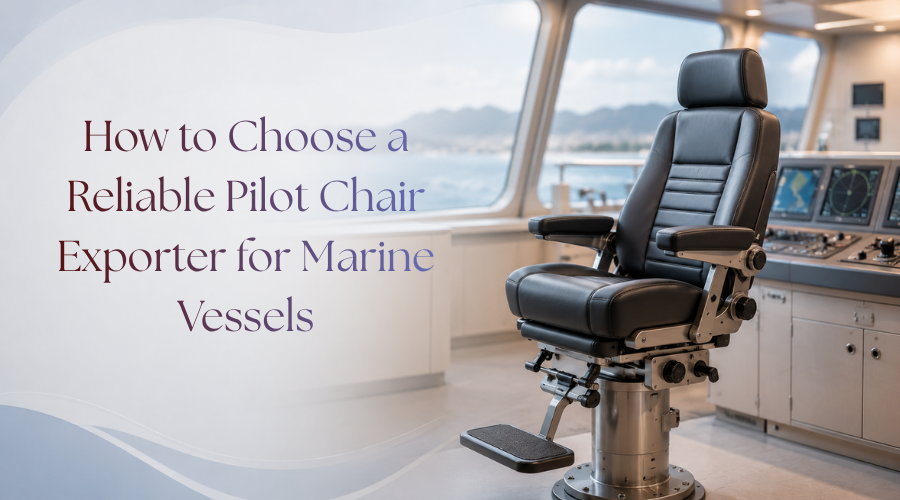
Setting sail on the open sea is a thrilling experience, but the key to a perfect marine adventure goes beyond the shimmering waves and clear skies. One often overlooked yet crucial element is the comfort of pilot chairs. This article explores why comfortable pilot chairs are necessary for an unforgettable and enjoyable maritime journey. 1.   Navigational Precision and Focus Navigating through unpredictable waters demands the utmost concentration. Comfortable pilot chairs provide the necessary lumbar support, ensuring the captain's posture is optimal for maintaining focus. This is crucial for precise navigation, helping the crew easily navigate challenging conditions. 2.   Endurance on Long Voyages Marine adventures often involve extended periods at sea, and uncomfortable seating can lead to fatigue. Ergonomic pilot chairs with adjustable features and proper lumbar support allow the crew to endure long voyages comfortably. This endurance enhances overall performance and efficiency, ensuring a successful and enjoyable journey. 3.   Enhanced Safety Measures Safety at sea is paramount, and pilot chairs play a significant role in this aspect. Comfortable chairs provide stability, allowing the pilot to execute emergency maneuvers swiftly during adverse weather conditions. This contributes to the crew's and the vessel's safety, making it a critical investment. 4.   Reduced Health Risks Extended periods in uncomfortable chairs can lead to health issues. Comfortable pilot chairs with ergonomic designs mitigate these risks, promoting crew well-being. By reducing the chances of back pain and circulation problems, these chairs ensure the crew's health is not compromised during their time at sea. 5.   Boosted Morale and Team Dynamics A happy crew is a productive crew, and comfortable pilot chairs contribute to overall morale on board. Improved comfort fosters a positive working environment, enhancing communication and collaboration. Positive team dynamics, in turn, contribute to a more enjoyable maritime experience for everyone on board. 6.   Customization for Individual Preferences Individual preferences for seating comfort vary, and customizable pilot chairs cater to these differences. Allowing crew members to tailor their seating experience ensures each individual can find a comfortable position. This level of personalization contributes to content and satisfied crew, improving overall satisfaction on the vessel. 7.   Weather-Resistant Materials The harsh marine environment requires durable materials. Comfortable pilot chairs made from weather-resistant materials withstand saltwater, UV rays, and constant vibrations. Investing in quality materials not only ensures longevity but also maintains the aesthetic appeal of the chairs, making them a reliable choice for any vessel. 8.   Efficient Space Utilization Space is precious on a vessel, and comfortable pilot chairs designed with efficiency in mind make the most of available space. Foldable or compact designs ensure that seating arrangements do not compromise the overall layout of the vessel, allowing for a harmonious balance between comfort and practicality. 9.   Technological Integration for Navigation Ease Modern pilot chairs often come equipped with integrated technology. Comfortable chairs with built-in navigation controls, touch screens, and connectivity options enhance the overall experience for pilots. This technological integration ensures easy access to essential tools without sacrificing comfort, making navigation a seamless process. Conclusion: Elevating Your Marine Adventure In conclusion, the importance of comfortable pilot chairs in ensuring a perfect marine adventure cannot be overstated. From providing navigational precision and safety measures to boosting morale and integrating technology, these chairs play a multifaceted role in enhancing the overall experience at sea. Investing in quality, ergonomic seating is not just a luxury but a necessity for those seeking comfort and functionality on their maritime journeys. So, set sail confidently, knowing your comfortable pilot chairs are the key to a truly exceptional marine adventure.

13-Feb-2024

Ahoy, fellow adventurers! The call of the sea has always captivated hearts, but imagine sailing into the horizon, knowing that your cozy sanctuary awaits on a folding bed. In this deep dive, we'll navigate the waters of how folding beds are not just furniture; they're a revolution in marine adventures. 1. Setting Sail with Comfort Embarking on a maritime journey promises adventure but should also embrace comfort. Folding beds anchor this promise, providing a haven where every night at sea is a restful embrace, setting the tone for a day filled with exploration. 2. Compact Marvels: Folding Bed Basics The magic lies in simplicity. Explore the intricate simplicity of folding bed basics. These compact marvels unfold seamlessly, revealing a cocoon of comfort without infringing on the limited deck space. Dive into the engineering brilliance that redefines the art of onboard living. 3. Casting Away Sleep Woes At sea, sleep can be elusive, but it shouldn't be. Discover how folding beds bid farewell to sleep woes, offering a sanctuary where the gentle rocking of the boat transforms into a lullaby. Wake up refreshed, ready to conquer the day's maritime challenges. 4. Space Efficiency on the High Seas Space is a prized possession aboard a vessel. Uncover the genius behind folding beds as they contribute to space efficiency. From compact storage to unfolding into a comfortable sleeping haven, witness how these beds maximize living quarters, making them an invaluable asset on the high seas. 5. Navigating the Night Sky The vastness of the night sky is a spectacle, and folding beds bring it closer. Explore how these beds become portals to the stars, inviting sailors to recline and connect intimately with the celestial wonders above. Witness the marriage of comfort and cosmic beauty. 6. Weathering the Storm: Durability Matters Marine environments are unforgiving, and folding beds stand resilient. Delve into their durability, from materials designed to repel moisture to robust constructions that weather the storm. These beds are not just comfortable but dependable allies in the maritime journey. 7. Folding Beds: A Sailor's Best Mate What makes a bed a sailor's best mate? Unpack the versatility of folding beds. From quick setups that accommodate the ebb and flow of maritime life to swift storage during unexpected maneuvers, these beds prove indispensable, standing by sailors through every voyage. 8. From Ship to Shore: Portability Unleashed Transitioning from ship to shore should be seamless, and folding beds make it so. Explore the effortless portability these beds bring, ensuring that the comfort experienced at sea is not confined to the boat. Adaptability becomes a hallmark of marine adventures. 9. Crafting Memories in Cramped Quarters In the intimate spaces of a boat, folding beds carve out cozy corners for shared moments. Uncover how these beds go beyond functionality, contributing to the crafting of memories. They become witnesses to laughter, stories, and the enduring bonds forged in the sometimes cramped but always cherished quarters. 10. Future Horizons: Innovations Afloat What lies on the horizon of folding bed innovations for marine adventures? Peer into the future, where materials evolve and smart features emerge. Explore how innovations promise an even more thrilling and comfortable maritime experience, from enhanced comfort to adaptability. Conclusion: Anchors Away, Dreams Afloat As we bid adieu to our exploration of folding beds and their impact on marine adventures, the sea transforms from a challenge to an unfolding adventure. With folding beds, every voyage becomes a celebration of comfort, convenience, and the timeless allure of the open water. FAQs Q1: Can folding beds withstand the harsh marine environment? A: Absolutely! Crafted with durable materials, folding beds are designed to endure the challenges of the ocean, from saltwater exposure to constant motion, ensuring longevity and reliability. Q2: Are folding beds easy to set up on a boat? A: Yes, indeed! Most folding beds are engineered for quick and easy setup and feature user-friendly mechanisms that make them a seamless addition to your maritime journey. Q3: How do folding beds contribute to space efficiency on a boat? A: Folding beds are ingenious space-saving solutions. They unfold to provide a comfortable sleeping area, optimizing deck space and making them ideal for boats' confined quarters. Q4: Can folding beds be used on both boats and shores? A: Absolutely! Folding beds' portability allows for seamless transitions between ship and shore, providing comfort in various settings, whether you're on the water or exploring new lands. Q5: What innovations can we expect in the future of folding beds for marine adventures? A: The future holds exciting prospects, from enhanced materials resistant to marine conditions to smart features like adjustable firmness. These innovations promise an even more comfortable and adventurous experience on the high seas.