





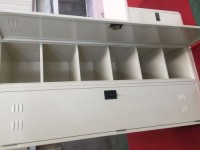
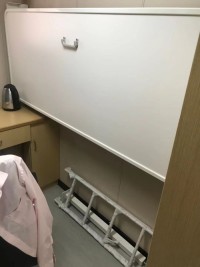
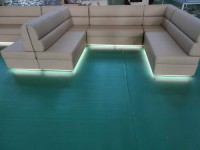
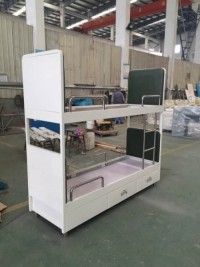



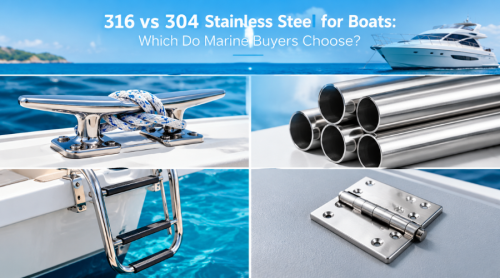
Marine metal furniture and similar installations need special stainless steel for superior performance. One cannot rely on standard metals like carbon steel or even basic austenitic steel. You might assume that 316 stainless steel for boats is compatible, but some consider 304 a better choice. Is 304 really better than 316 when it comes to boats, ferries, and yachts? You will find your answers in this blog since we will do a comparison in every way possible.Here is a guide to selecting a marine stainless steel furniture supplier. 304 vs 316 Stainless Steel for Boats If we compare them, both types are austenitic steels. That means they are non-magnetic and better than carbon steel. But when it comes to boats or marine applications, we have to do a deep comparison. Choosing a marine-grade stainless steel requires comparison in moisture, salt, and acid corrosion-resistance levels. We will do that in the later part of this content, but here is what you need to read first. It is about the metal composition of both types, which will help you understand everything better. SS 304 Composition SS 304 contains 65% to 70% iron, 18% to 20% chromium, and 6% to 8% nickel. These are the main elements that contribute to the strength of this grade. It contains some other metals like silicon and manganese that contribute to greater performance compared to lower grades. If we compare 316 vs 304 stainless steel marine grades, here is what you should know. Grade 304 has high malleability, weldability, and machinability, which is an essential advantage. You will find more about this advantage later. SS 316 Composition It contains 65% to 70% iron, 16% to 18% chromium, 10% to 14% nickel, and 2% molybdenum. The rest of the elements, like silicon and manganese, are the same. The biggest difference is the addition of molybdenum, which is 2% to 3%. This is what increases stainless steel corrosion resistance at sea. Molybdenum is the element that makes stainless steel survive a harsh marine environment. Here is a guide about the benefits of procuring stainless steel cabinets for cruise ships, ferries, and yachts. How to Choose SS Grade Between 316 and 304? Now, you will find out how to choose marine-grade stainless steel in this section. It will clarify all the differences between the two grades in terms of workability, resistance level, durability, and price. You need to read all the following factors because they will help you select the compatible grade for boats. Malleability, Machinability, and Weldability The 304-grade has high malleability, weldability, and machinability. That means you can manufacture many types of metallic equipment like marine furniture, rails, fixtures, etc. This high machinability allows manufacturers to do customization in furniture and similar metallic accessories for ships. When you look at 316-grade, its workability is challenging because of molybdenum. Welding and machining are not easy, and any kind of customization further increases the cost of production. Resistance to Fresh Water SS304 shows high corrosion resistance to fresh water since it is one of the types of austenitic steels. Both grades have excellent resistance to fresh water. However, things become challenging when it comes to seawater because this is where SS 316 shows higher resistance. Temperature Resistance The 304-grade has a temperature resistance up to 925 degrees C, along with oxidation resistance. There is one thing you need to understand: higher temperatures can compromise oxidation resistance in austenitic steels. That means SS 304 may lose its corrosion resistance if it experiences extreme heat continuously. Those consistent extreme temperatures can reduce the oxidation resistance also. 425 degrees C is the temperature limit where SS 304 starts losing its corrosion resistance. 316 has a similar temperature resistance range, and it also starts losing its corrosion resistance after continuous exposure to heat. However, its range is higher because of having molybdenum. So, you can expect 316 to maintain its corrosion resistance at slightly higher temperatures than 425 and even 925. Price Difference One of the biggest differences between them is price. SS 316 is way more expensive than 304. Grade 316 is 30% more expensive, which is why its production is much costlier. However, that high cost is because of its heavy-duty performance against corrosive threats, and that is what makes it survive in marine conditions. Read about how to buy a marine pilot chair for maximum comfort and durability. Durability or Lifespan SS-304 can last up to 2 decades in non-corrosive conditions. Grade 316 can last up to 5 decades. If we compare them in marine conditions, 316 could survive more than a decade, while 304 can last hardly 2 years. 316 vs 304 in Terms of Chloride and Salt Resistance This is the point where you will be able to decide which grade is the best for marine factors. We will compare stainless steel corrosion resistance at sea of stainless steel 316 and 304 types. This brief comparison will make things clear if you need to choose 304 or 316. Stainless Steel 304 If you look at 304, it can not resist acids, salts, and similar corrosive liquids. Marine conditions are full of these elements, which means this grade will fail completely. No matter how good it is in many metal works, marine is something else. These conditions can wear down most metals because of having corrosive elements. Stainless Steel 316 Grade 316 has molybdenum, and that makes it survive consistent attacks of corrosives, salts, and chlorinated liquids. That higher corrosion resistance and durability come from the addition of 2% or 3% molybdenum to 316. It can resist massive pitting corrosion and crevice corrosion in harsh conditions. It has a non-porous and non-reactive nature because of that. Final Conclusion of 316 vs 304 Stainless Steel Marine Here is the final conclusion of 304 vs 316 stainless steel for boats. When it comes to tap water or non-corrosive water, you can choose any grade between 304 and 316. 304 is cost-effective, though. However, when it comes to the marine sector for ships or boats, it is always safe to go with 316. Can the Marine Sector Rely on Stainless Steel 304? No, 304 is not a suitable grade for marine environments because it has no molybdenum. It can break down within a year in corrosive environments. Ferries, cruise ships, boats, and yachts need something that can last decades, and that is 316. Is Stainless Steel 316 Compatible with the Marine Sector? Yes, 316 is fully compatible with the marine sector. It can last up to 2 decades and even more. All it needs is consistent care against salt and chemical buildups in marine environments. Timely maintenance can help SS-316 last even 5 decades. Also, read about how to select a double bunk bed manufacturer for cruise ships, ferries, and yachts. FAQs Where Can I Find Heavy-Duty and Corrosion-Resistant Stainless-Steel Furniture for Ships? It is hard to find marine furniture in this niche industry. Jiangyin Minsun Marine Technology Co. Ltd. is a supplier you can try. It is a Chinese manufacturer that has superior-grade marine furniture at budget-friendly prices. You can even get customization depending on your ship’s layout. Can a Supplier Offer SS Grade-316 Furniture for Yachts, Ferries, and Cruise Ships at Factory Rates? Yes, some suppliers can offer SS-316 furniture for marine vessels at factory rates. One of them is Jiangyin Minsun Marine Technology Co. Ltd. It has custom and standard furniture that is highly compatible.
ACTION
MAY 2023